Planning a trip to the majestic capital of the Inca Empire is an exhilarating adventure. However, landing in Cusco—situated at a breathtaking 3,399 meters (11,152 feet) above sea level—means your body will feel the shift instantly. Altitude sickness, locally known as soroche, is a natural response to lower oxygen levels, but it doesn’t have to ruin your vacation. At Cusco Land Expeditions, we want you to enjoy every second of your journey, so we have put together this ultimate guide with insider tips to prevent and beat altitude sickness.
What is Altitude Sickness or Soroche?
At higher altitudes, atmospheric pressure drops, and there are fewer oxygen molecules in each breath of air. Since your body isn’t used to this, you might experience mild symptoms during the first 24 to 48 hours, including:
- Difficulty falling asleep.
- Mild or throbbing headaches.
- Fatigue or getting tired very quickly.
- Dizziness or light nausea.
Golden Tips to Prevent Soroche
1. Take Your First Day Easy (Crucial)
The most common mistake travelers make is arriving in Cusco and going straight into a strenuous walking tour. Dedicate your first day to resting at your hotel, taking short naps, and walking at a very slow pace. Your body needs energy to adjust.
2. The Power of Coca Leaves
The Incas knew best. Coca tea (mate de coca) is a fantastic natural vasodilator that helps your blood carry more oxygen. Drink a hot cup right after checking into your hotel and throughout your first day. Insider tip: Avoid drinking it late at night, as it has an energizing effect similar to coffee.
3. Stay Hydrated and Eat Light Meals
High-altitude air is incredibly dry, which accelerates dehydration. Drink between 2 and 3 liters of water daily. Also, your digestion slows down significantly at high altitudes; avoid heavy meats and greasy foods during your first 48 hours. Opt for chicken soups, pasta, or light dishes instead.
4. Say No to Alcohol and Smoking
Alcohol and cigarettes dehydrate your system and reduce oxygen absorption in your lungs. Save the Pisco Sour celebrations for your third or fourth day, once your body is fully acclimated.
What to Do If Symptoms Persist?
If your headache won’t go away, you can visit any local pharmacy in Cusco and ask for over-the-counter altitude medication (such as Sorojchi Pills or Diamox, always consulting a pharmacist first). Additionally, most hotels in Cusco provide complimentary oxygen tanks for guests experiencing distress.
What to Do If Symptoms Persist?
If your headache won’t go away, you can visit any local pharmacy in Cusco and ask for over-the-counter altitude medication (such as Sorojchi Pills or Diamox, always consulting a pharmacist first). Additionally, most hotels in Cusco provide complimentary oxygen tanks for guests experiencing distress.
The Ultimate Travel Hack: Sleep in the Sacred Valley
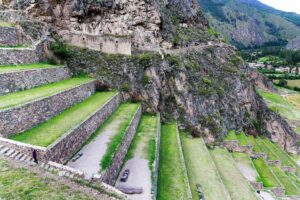
If you are highly prone to motion or altitude sickness, a brilliant strategy is to take a direct transfer from Cusco airport down to hotels in the Sacred Valley (Urubamba or Ollantaytambo). These towns sit nearly 600 meters (2,000 feet) lower than Cusco, making acclimation incredibly smooth and symptom-free.
Conclusion
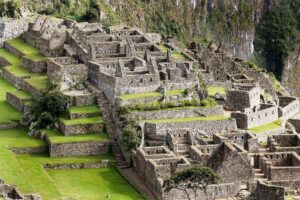
Altitude sickness is just a tiny bump on the road to an unforgettable experience. By respecting your body’s timeline, you’ll soon be fully charged to roam ancient Incan stone streets, explore the Sacred Valley, and finally checking Machu Picchu off your bucket list.
Ready to start your adventure safely? At Cusco Land Expeditions, we build strategic acclimation days right into our custom itineraries so you can explore Cusco worry-free. Check out our traditional and adventure tours here! Contact Us.